Holistic Nutrition Training Program

Phase I – Foundations of Holistic Nutrition

Build the Scientific Foundation for Understanding Nutrition

Imagine being able to understand why the body responds differently to food, nutrients and lifestyle - not by following diet trends, but by understanding the science behind them.

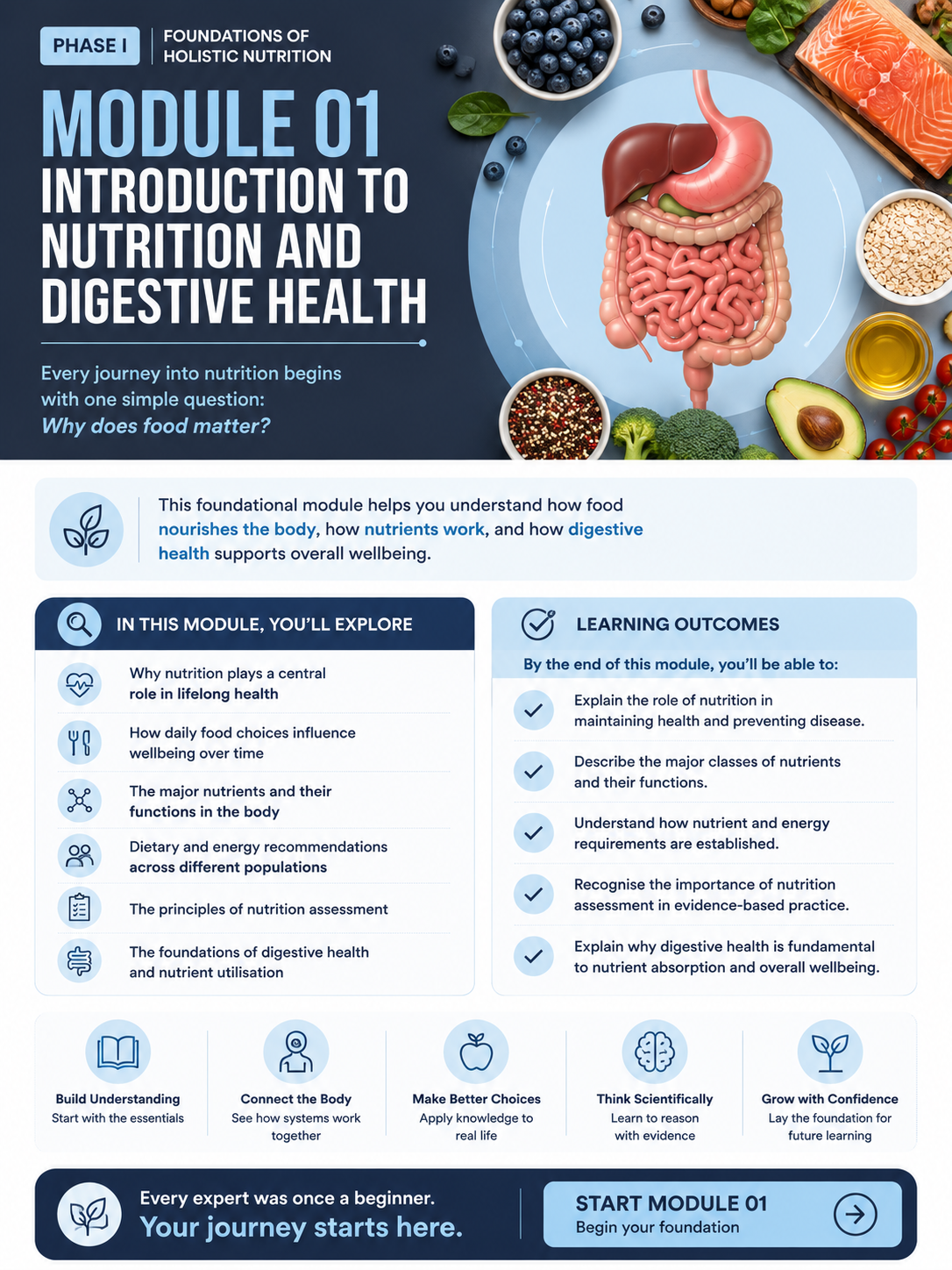
MODULE 01 - Introduction to Nutrition and Digestive Health

"Every journey into nutrition begins with a simple question: Why does food matter?"

Nutrition influences every stage of life, yet understanding why food affects health is far more important than simply knowing what to eat. In this opening module, you'll explore the fundamental principles that underpin modern nutrition science and discover how everyday food choices influence the body's growth, repair, energy production and long-term wellbeing.

You'll begin by learning what nutrients are, how they function inside the body and why energy requirements and nutrient recommendations differ between individuals. The module also introduces the foundations of nutrition assessment and digestive health, providing the essential concepts that support every topic explored throughout the rest of the program.

Rather than focusing on diets or nutrition trends, Module 1 builds the scientific framework needed to understand human nutrition with clarity and confidence. It lays the foundation upon which every later module is built.

Learn More About Module 1

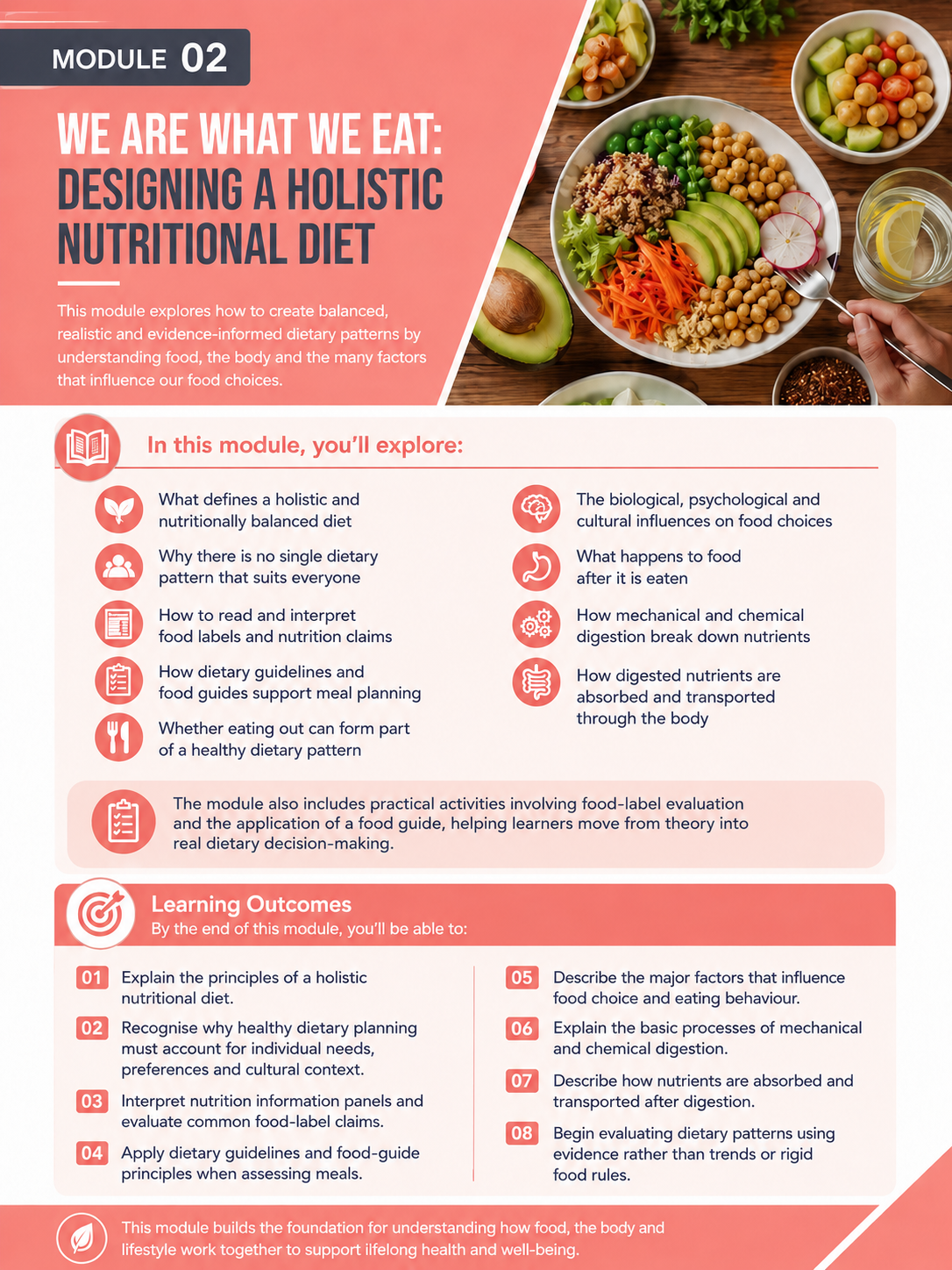
MODULE 02 - We Are What We Eat: Designing a Holistic Nutritional Diet

"Healthy eating is not about following one perfect diet—it is about understanding how food choices, personal needs and human physiology work together."

What makes a diet truly healthy? Is it food quality, portion size, or the balance between nutrients? Why can the same diet produce completely different results in different people?

Module 2 explores why there is no single dietary pattern that suits everyone. Instead of promoting rigid food rules, you'll learn how to evaluate dietary patterns using scientific principles and understand how age, physiology, lifestyle, culture and individual health all influence nutritional needs.

You'll discover how to interpret food labels, apply dietary guidelines and assess whether a meal provides appropriate nutritional balance. The module also follows food beyond the plate, explaining how digestion, nutrient absorption and transport allow the body to obtain and utilise the nutrients needed for health.

Rather than teaching a "perfect" diet, Module 2 provides the scientific foundation for making informed, practical and individualised nutrition decisions—preparing you for the more detailed study of carbohydrates, fats, proteins, vitamins, minerals and metabolism in the modules that follow.

Learn More About Module 2

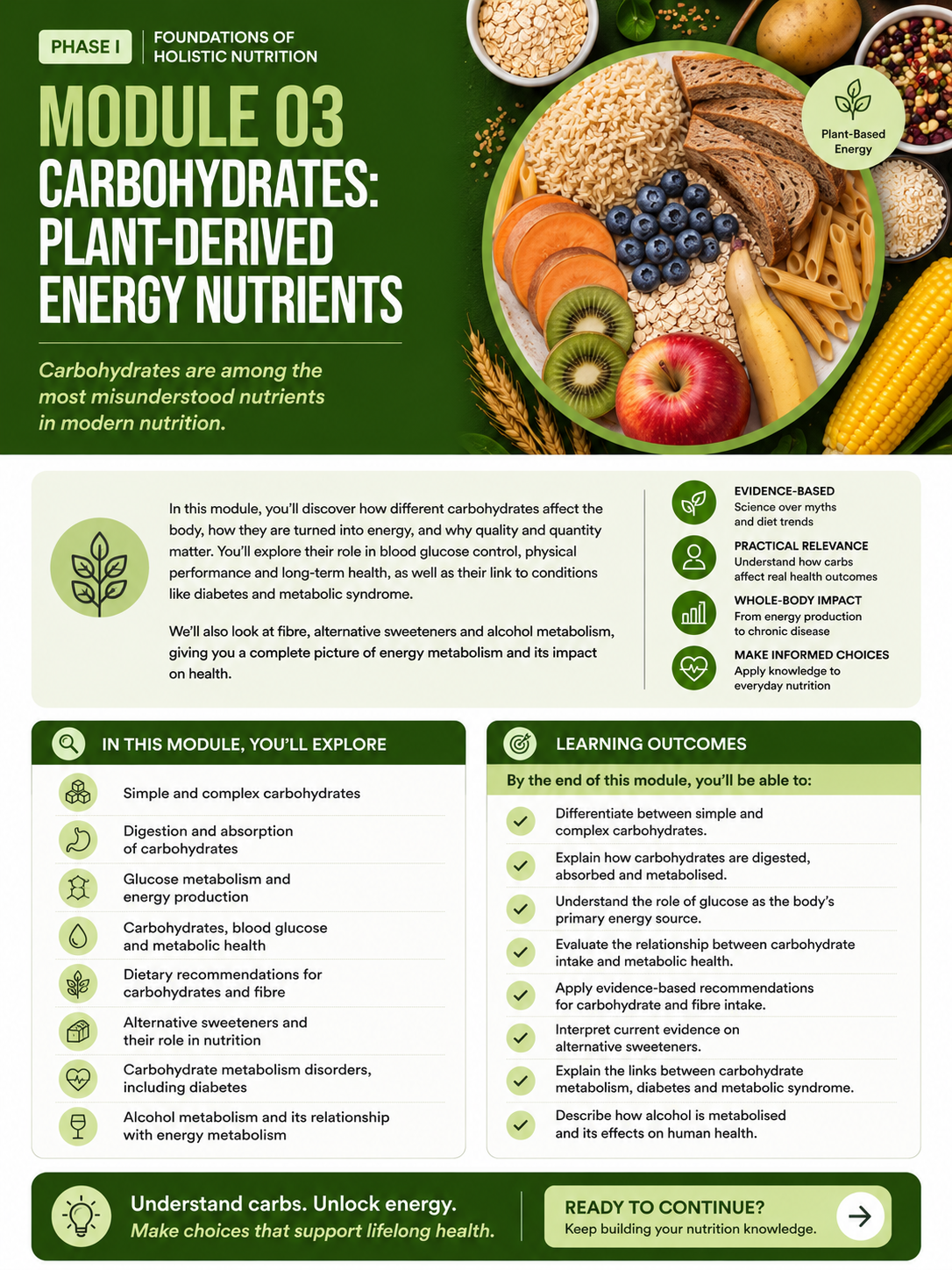
MODULE 03 - Carbohydrates: Plant-Derived Energy Nutrients

"Carbohydrates are among the most misunderstood nutrients in modern nutrition."

Should we avoid carbohydrates? Are they responsible for obesity and diabetes? Or are they simply an essential source of energy that has been misunderstood?

In this module, you'll explore the science behind one of the most debated topics in nutrition. Rather than relying on popular diet trends or social media advice, you'll discover how different types of carbohydrates are digested, absorbed and utilised by the body, and why not all carbohydrates have the same effects on health.

You'll also examine how carbohydrates influence blood glucose, physical performance and metabolic health, while exploring the scientific evidence surrounding fibre, alternative sweeteners and carbohydrate-related health conditions such as diabetes and metabolic syndrome. By understanding how carbohydrates truly work, you'll be better equipped to make informed nutrition decisions based on evidence rather than misconceptions. The module also explores alcohol metabolism and its relationship with carbohydrate metabolism, providing a broader understanding of energy metabolism and dietary health.

Learn More About Module 3

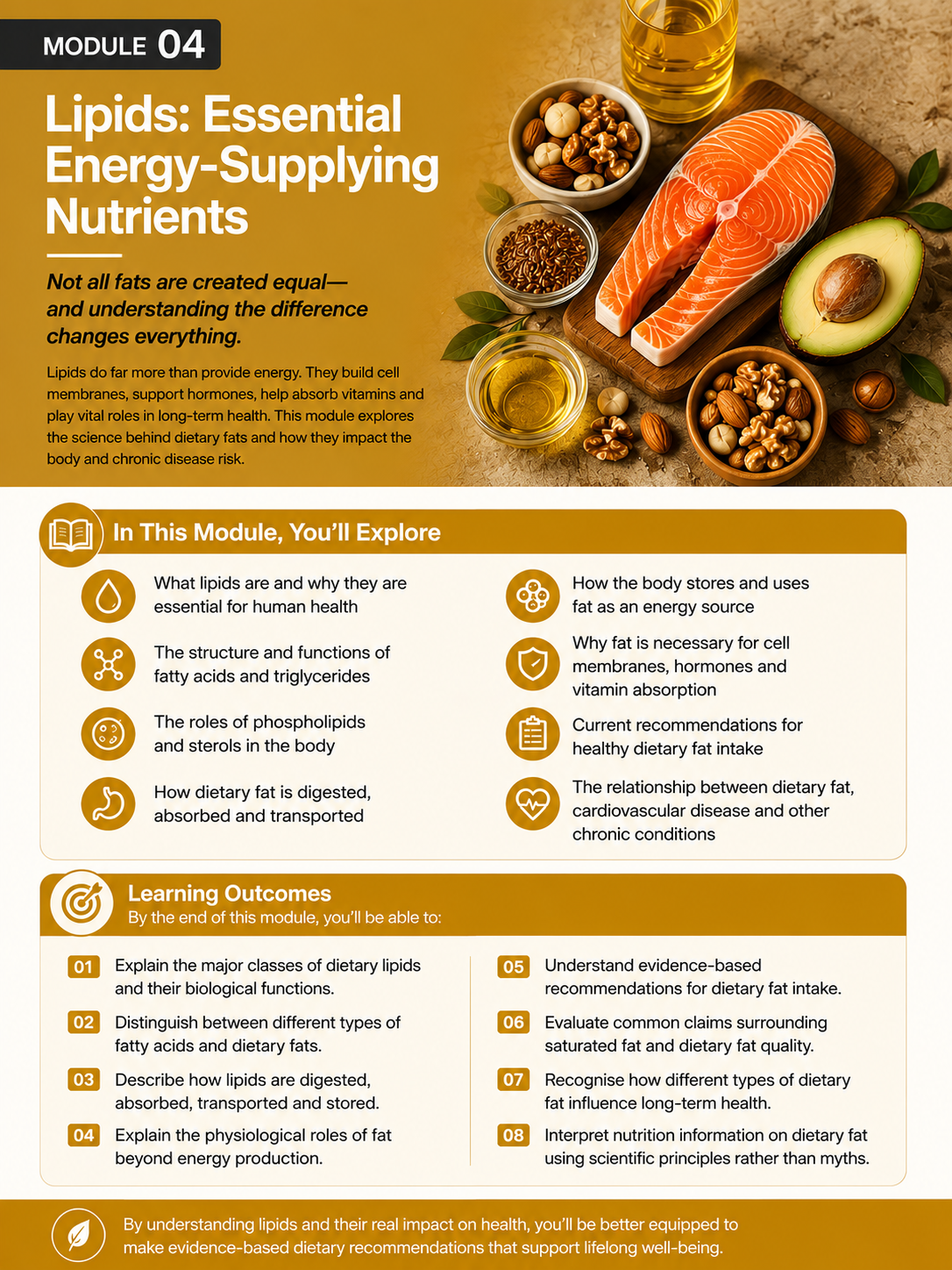
MODULE 04 - Lipids: Essential Energy-Supplying Nutrients

"Fat has been blamed for obesity, heart disease and weight gain—but is the whole story really that simple?"

For decades, dietary fat has been one of the most debated topics in nutrition. Some diets encourage avoiding fat altogether, while others promote high-fat eating as the key to better health. Yet the human body cannot survive without fat.

In this module, you'll discover why lipids are far more than a source of calories. They form the structure of every cell membrane, provide concentrated energy, support hormone production, enable the absorption of fat-soluble vitamins and play essential roles in brain function, immunity and long-term health.

You'll also explore the science behind different types of dietary fat—including triglycerides, phospholipids, sterols, saturated fat and unsaturated fat—and follow their journey through digestion, absorption, transport and storage. Most importantly, you'll learn how to critically evaluate common claims about dietary fat using scientific evidence rather than popular opinion.

Rather than asking whether fat is "good" or "bad," this module helps you understand which fats matter, why they matter, and how they influence human health throughout life.

Learn More About Module 4

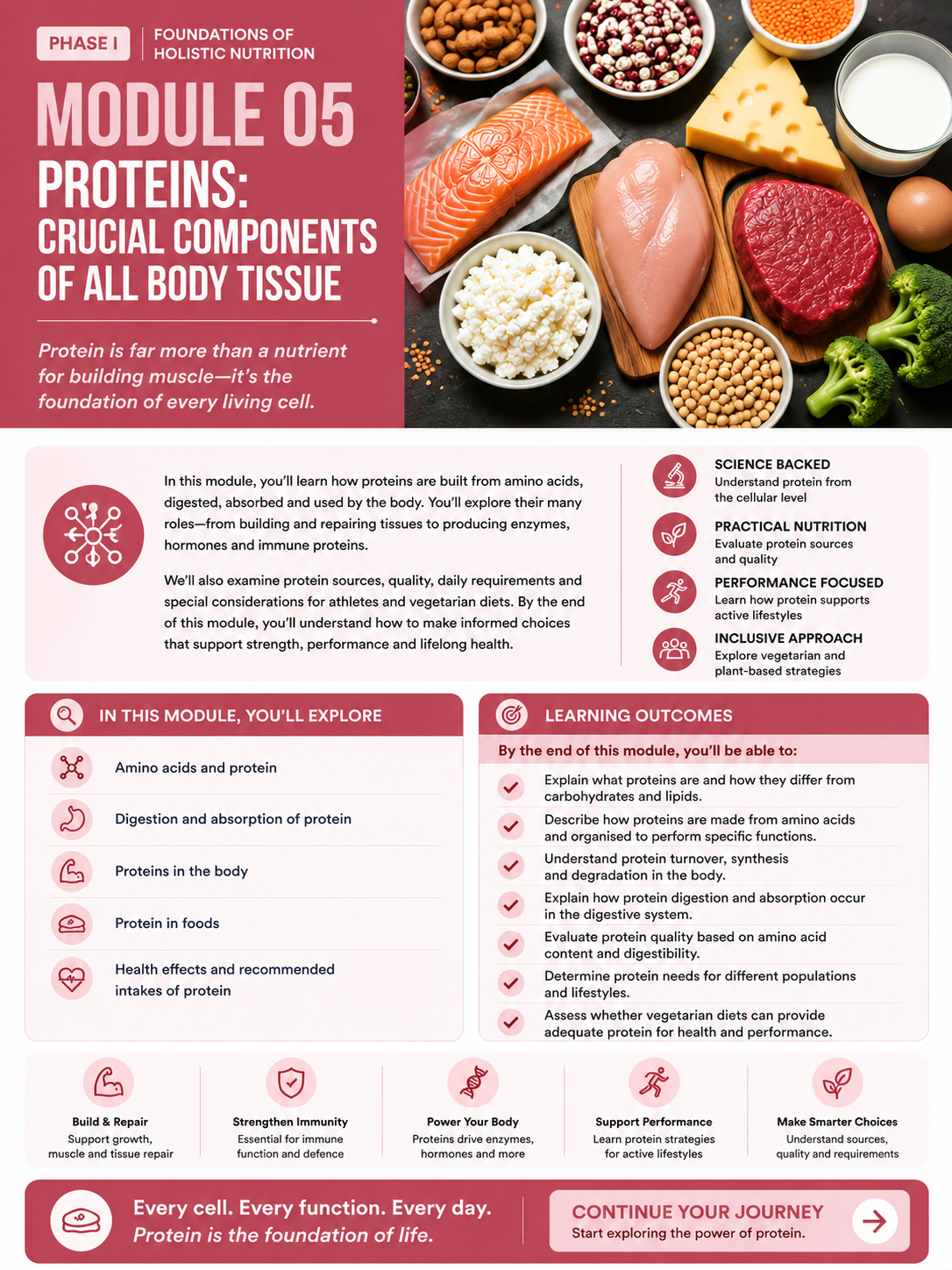
MODULE 05 - Proteins: Crucial Components of All Body Tissue

"Protein is far more than a nutrient for building muscle—it's the foundation of every living cell."

Can a vegetarian diet provide enough protein? Do athletes really need large amounts of meat? Is plant protein as effective as animal protein? These questions are widely debated, yet the science behind protein is often misunderstood.

In this module, you'll discover how proteins are built from amino acids, how the body digests and absorbs them, and why protein quality depends on both amino acid composition and digestibility. You'll also explore the many roles proteins play throughout the body—from supporting muscle and connective tissue to producing enzymes, hormones and immune proteins.

Beyond the science, this module examines practical nutrition questions, including daily protein requirements, protein-rich food choices and how well-planned vegetarian diets can successfully meet nutritional needs. By the end of the module, you'll have a clear understanding of how protein supports lifelong health and how to evaluate protein recommendations using scientific evidence rather than popular opinion.

Learn More About Module 5

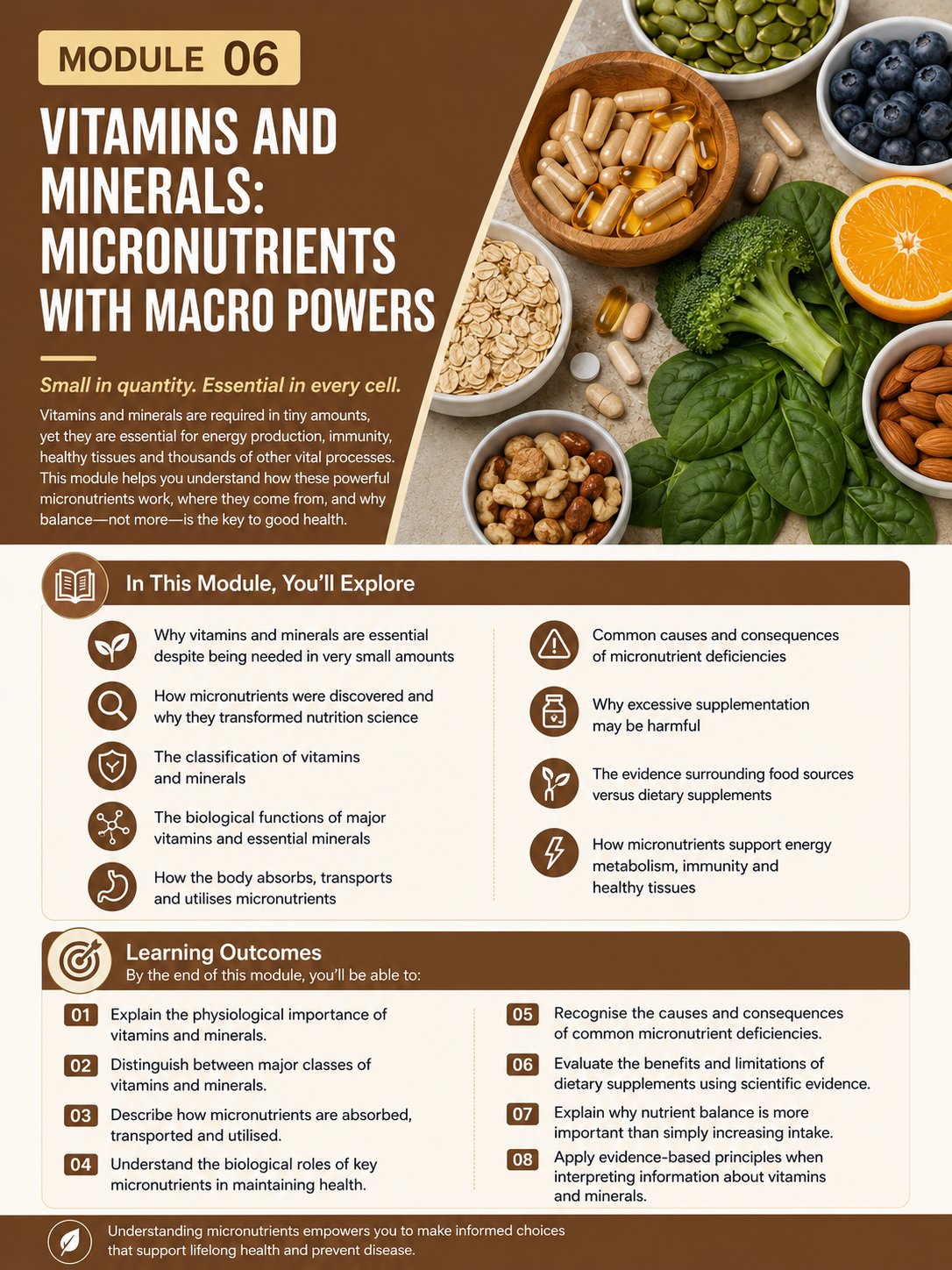
MODULE 06 - Vitamins and Minerals: Micronutrients with Macro Powers

"Tiny nutrients. Extraordinary influence."

Although vitamins and minerals are required in only very small amounts, they are essential for almost every process that keeps the human body alive. From producing energy and supporting immunity to maintaining healthy bones, nerves, muscles and cells, these micronutrients quietly power thousands of biological reactions every day.

In this module, you'll discover why micronutrients are often described as "small but mighty." You'll explore how vitamins and minerals were first discovered, how they are classified, where they come from and how the body absorbs, stores and uses them. You'll also examine why deficiencies develop, why excessive supplementation is not always beneficial, and why nutrients obtained from foods may behave differently from those taken as supplements.

Rather than memorising individual vitamins and minerals, this module helps you understand the biological principles that explain why micronutrients matter, how they work together, and why balance is more important than simply taking more.

Learn More About Module 6

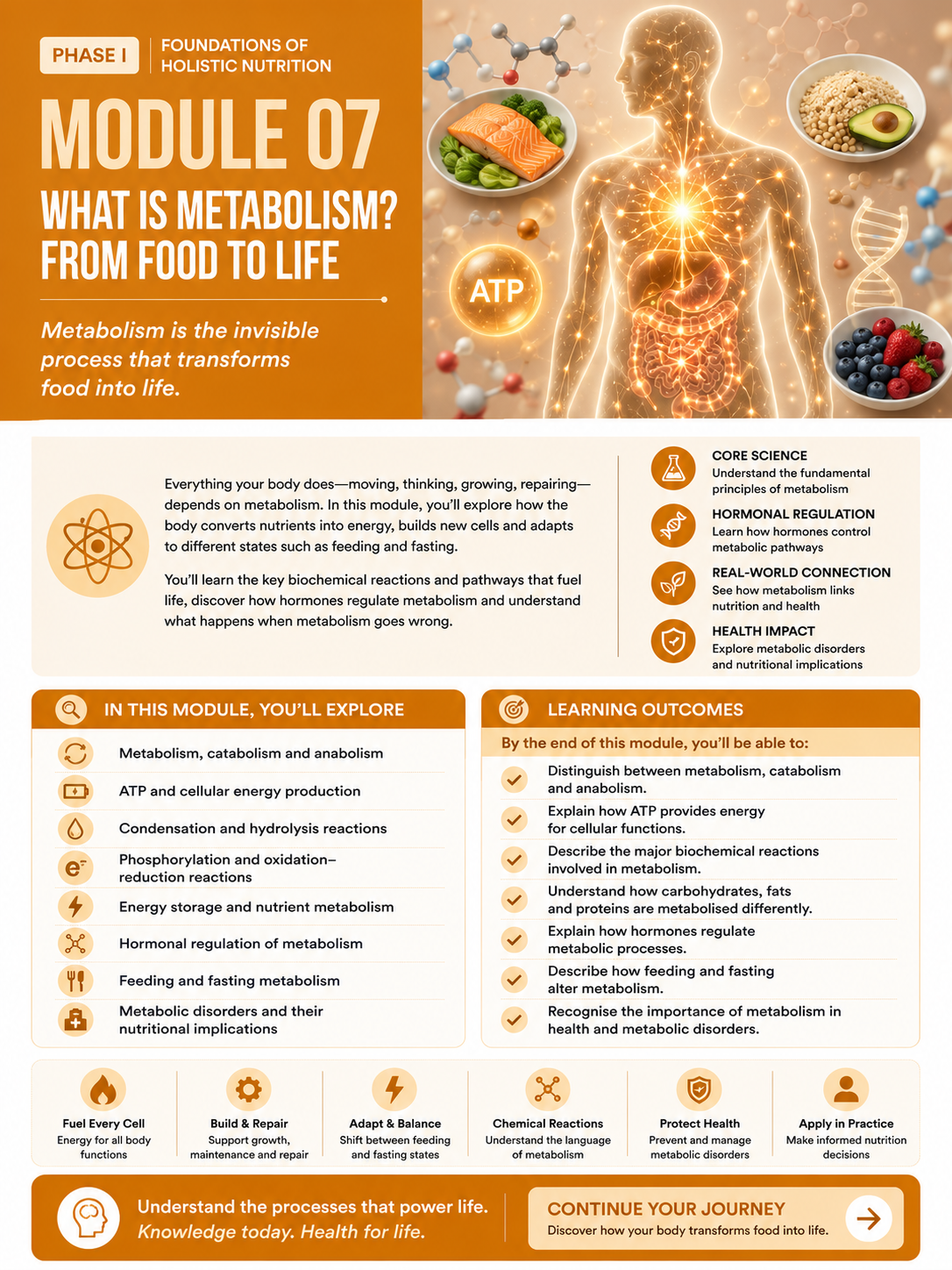
MODULE 07 - What Is Metabolism? From Food to Life

"Metabolism is the invisible process that transforms food into life."

Why can food become energy? How does the body decide whether to burn nutrients, store them or use them to build new tissues? And what happens when these metabolic processes no longer function normally?

In this module, you'll explore the science of metabolism—the complex network of chemical reactions that powers every cell in the human body. Beginning with a real-life metabolic disorder, you'll discover why metabolism is fundamental to health and how disruptions in these processes can have lifelong consequences.

You'll learn how nutrients are broken down to release energy, how the body builds new tissues, how ATP fuels cellular activity, and how hormones coordinate metabolic pathways throughout the day. You'll also explore how metabolism adapts during feeding and fasting, providing the foundation for understanding body weight regulation, metabolic health and many nutrition-related conditions explored later in the program.

Rather than thinking of metabolism as simply "how fast you burn calories," this module reveals metabolism as one of the body's most essential systems—connecting nutrition, energy, growth and health through evidence-based science.

Learn More About Module 7

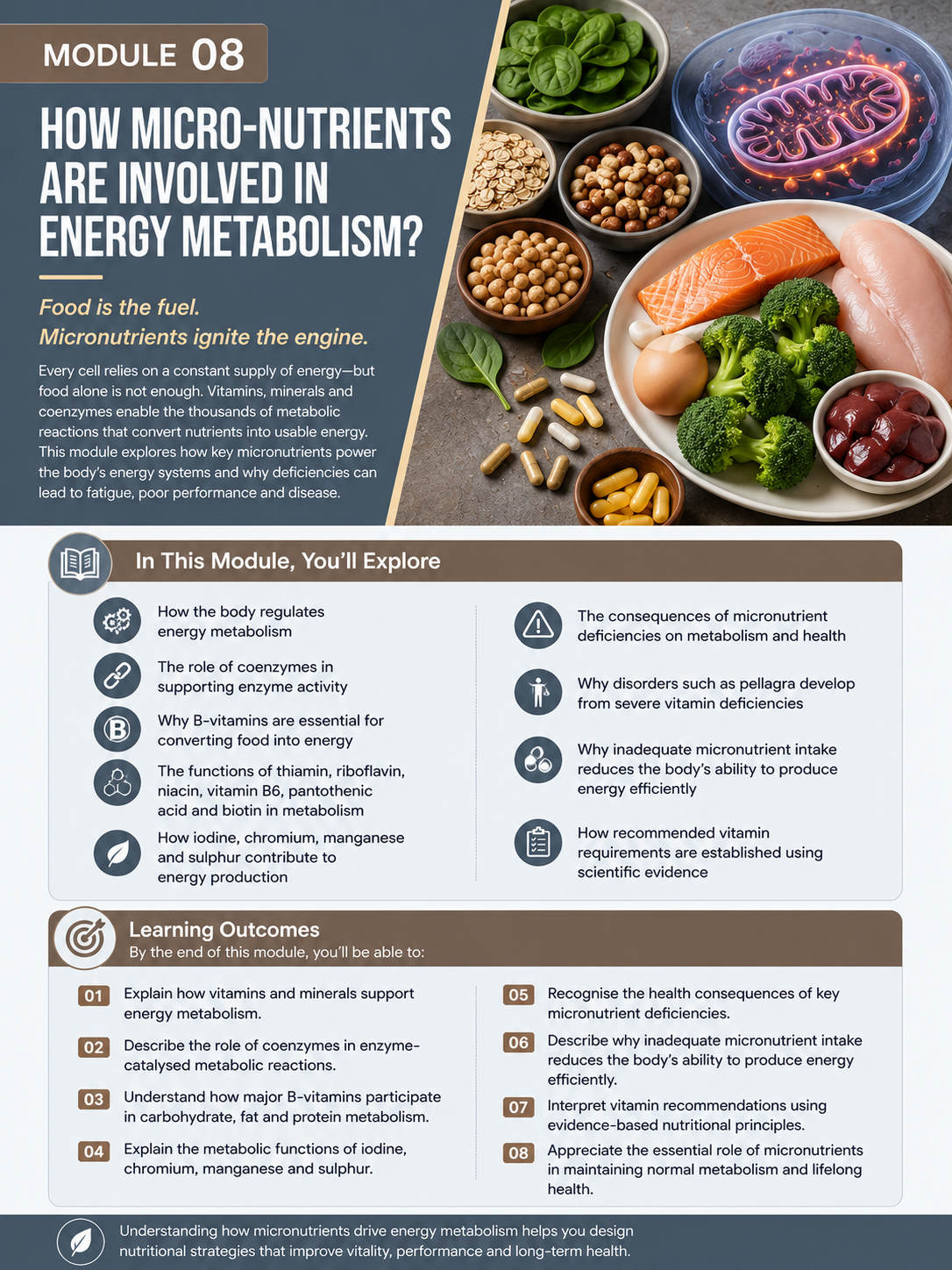
MODULE 08 - How Micronutrients Drive Energy Metabolism

"Food provides the fuel—but vitamins and minerals make energy possible."

Every cell in the human body depends on a continuous supply of energy. Yet carbohydrates, fats and proteins cannot release that energy on their own. They rely on a network of vitamins, minerals and specialised coenzymes that enable thousands of metabolic reactions to occur every second.

In this module, you'll discover how micronutrients quietly power the body's energy systems. You'll explore why B-vitamins are essential for converting food into usable cellular energy, how key minerals support metabolic pathways, and why deficiencies can lead to fatigue, poor physical performance and serious health consequences.

Rather than studying vitamins as isolated nutrients, you'll learn how they work together as part of an integrated metabolic system. By understanding the relationship between micronutrients, enzymes and energy production, you'll gain a deeper appreciation of why even small nutritional deficiencies can have profound effects on health and daily function.

Learn More About Module 8